
Blog
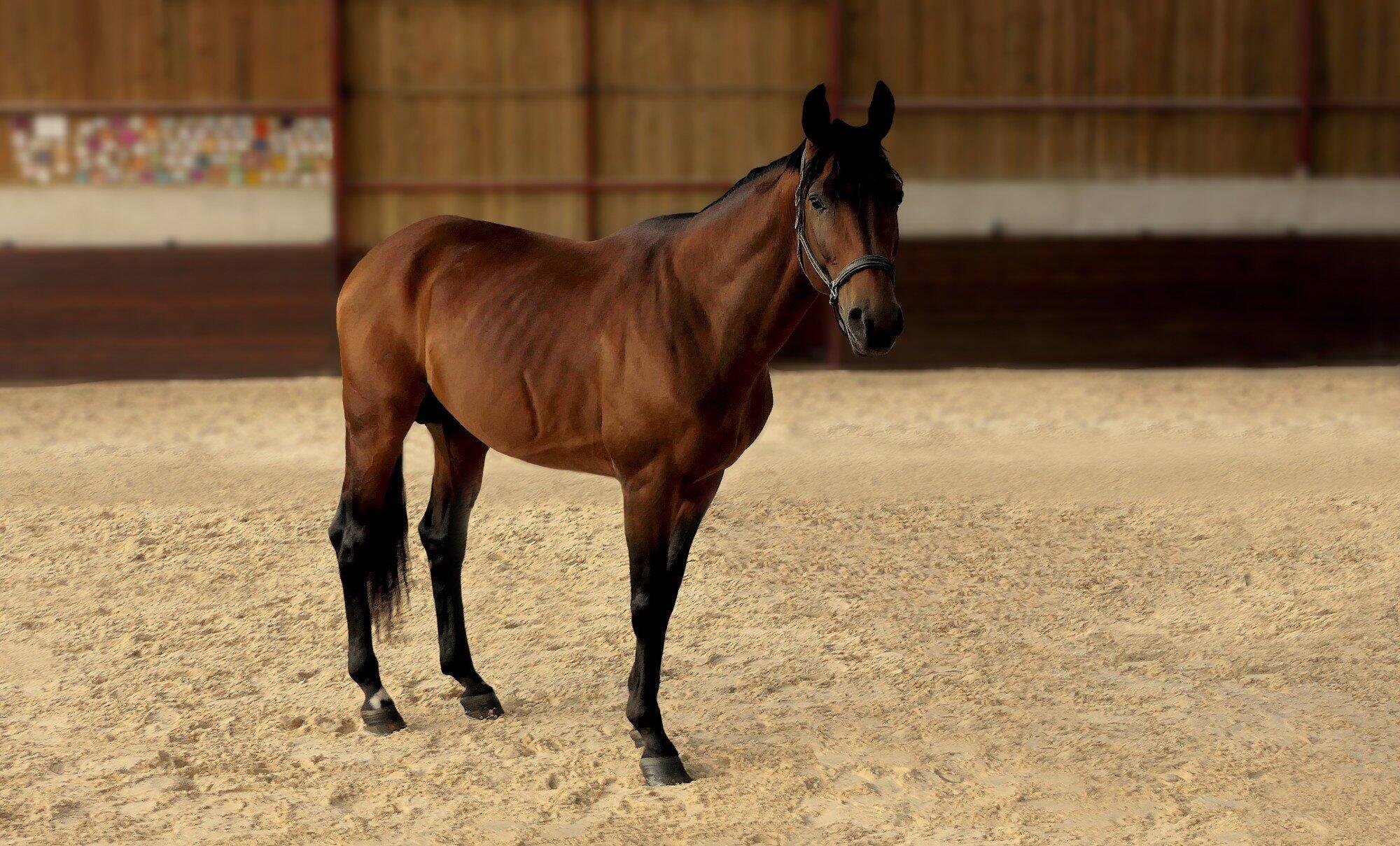
5 Early Signs Your Reining Horse Is Hiding Stifle Strain
Stifle strain often begins with subtle performance changes long before your horse shows obvious lameness. Many reining horses continue to work through discomfort, making early signs easy to miss until the problem becomes more serious. Paying attention to these changes...
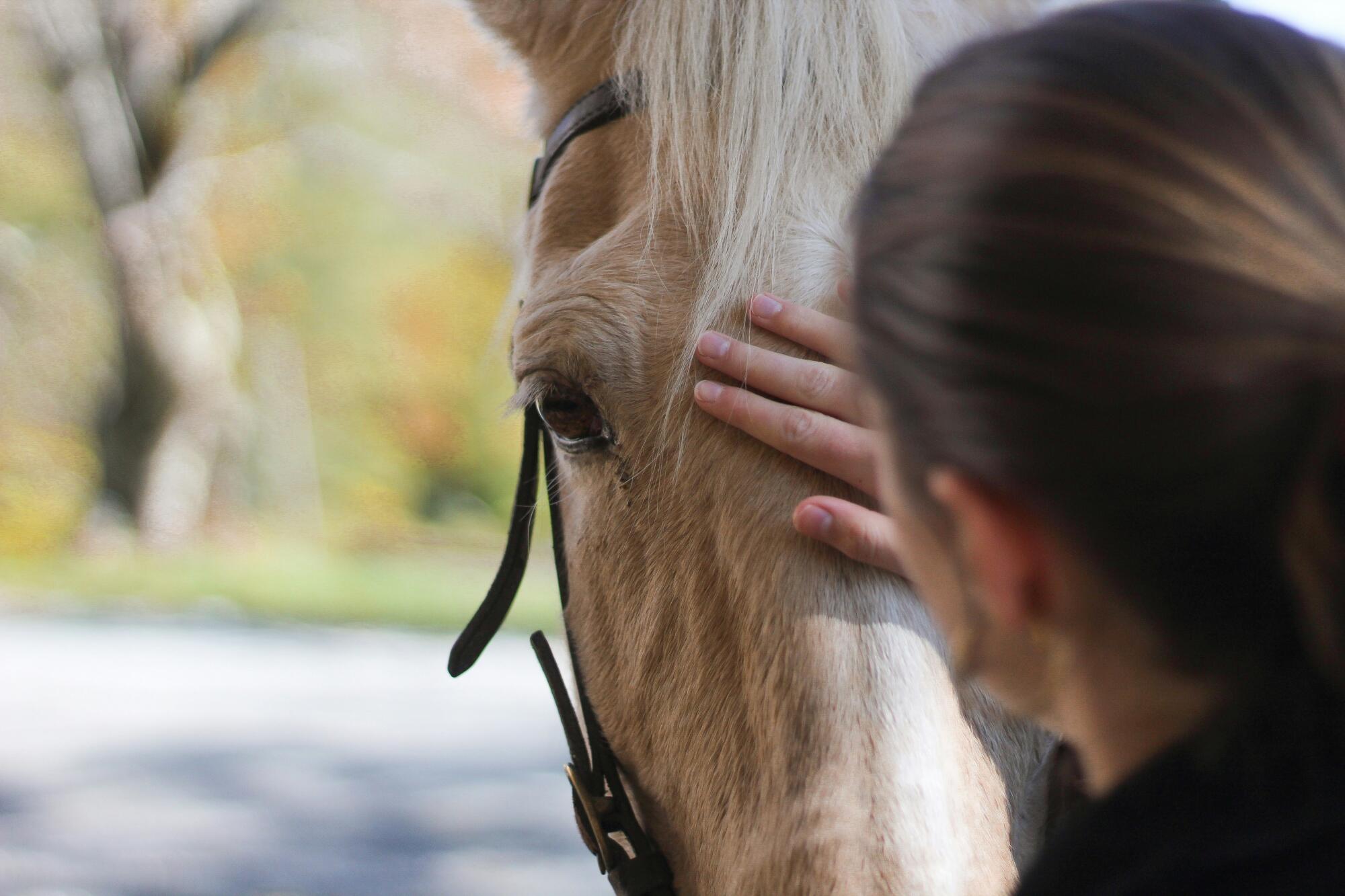
Why Do Standard Stall Rest Protocols Often Sabotage Long-Term Soft Tissue Recovery?
Horse physical therapy is essential because standard stall rest is failing your horse's long-term recovery. While rest is a necessary initial step for severe injuries, prolonged immobilization weakens the very tissues you are trying to heal. This often sabotages the...
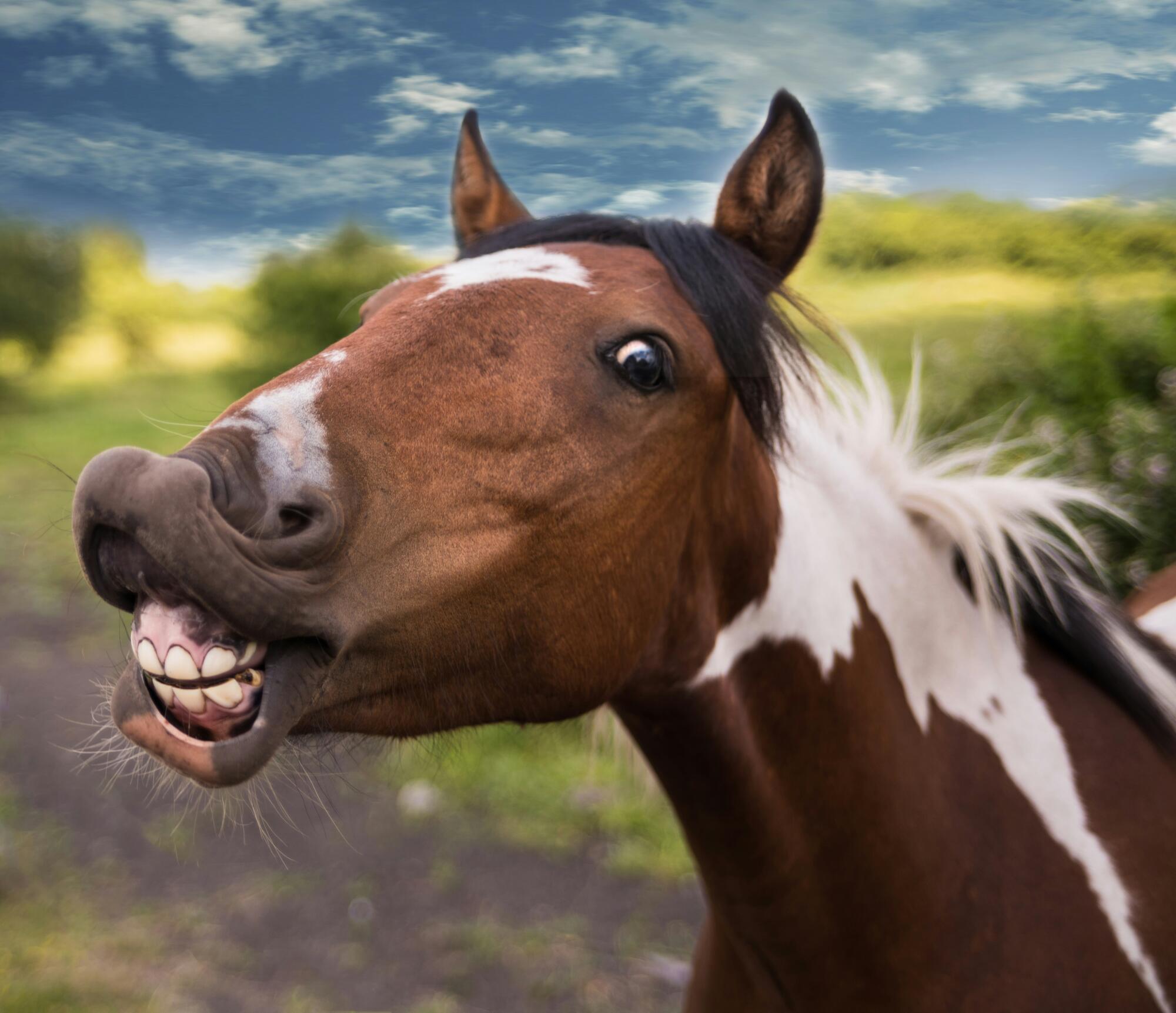
Guide to Horse Dental Care: Top 4 Things to Know
Good horse dental care is essential for your horse's comfort, health, and performance. Horses use their teeth every day to chew forage and grain, and even minor dental problems can make eating difficult. Dental issues may also affect weight, behavior, and how a horse...
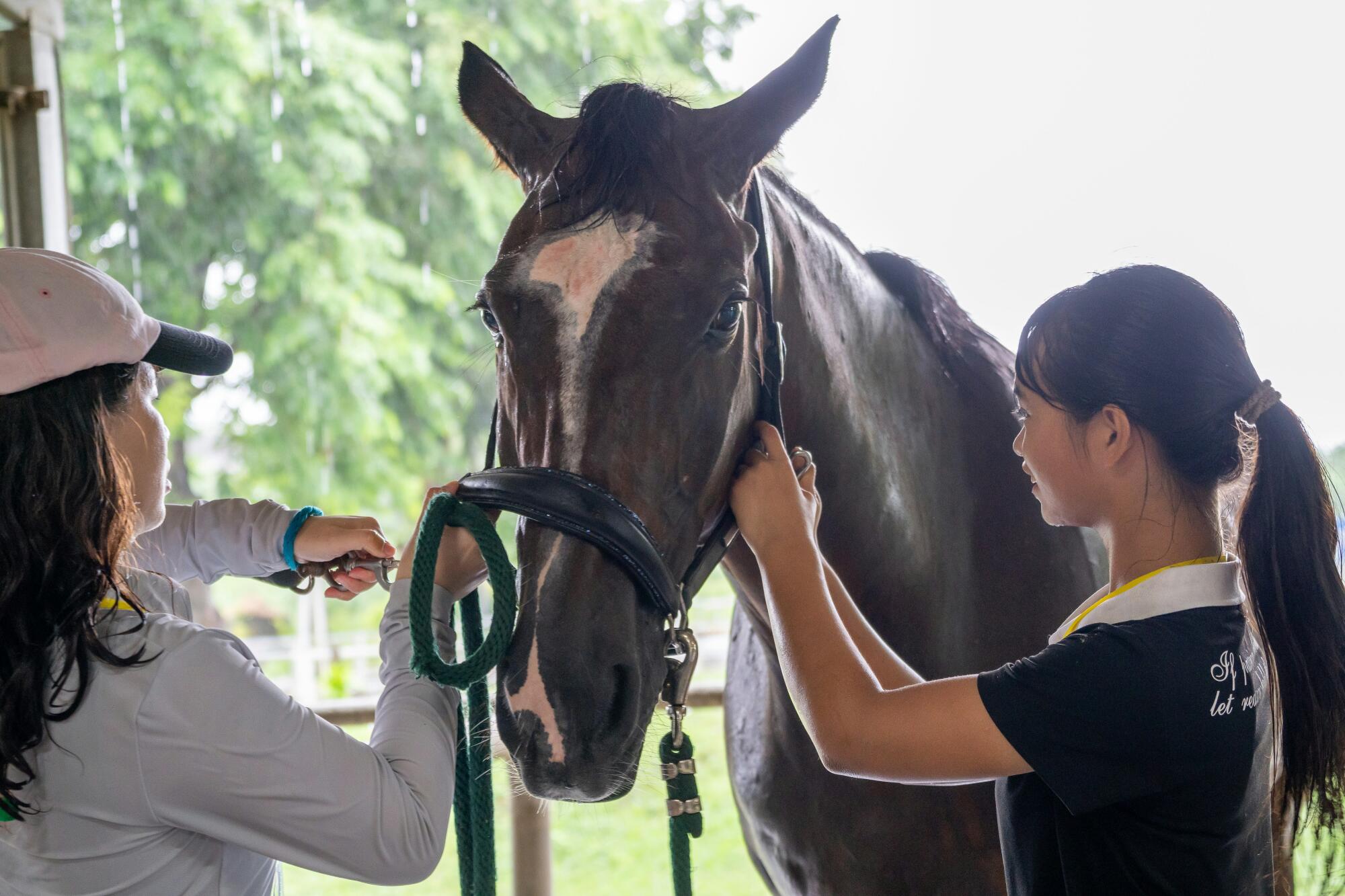
Effective Horse Lameness Treatment: Expert Tips Inside
Effective horse lameness treatment starts with identifying the exact source of pain and matching it with the correct intervention. You need an accurate diagnosis, targeted veterinary care, and a structured rehabilitation plan to restore soundness. Proven methods such...
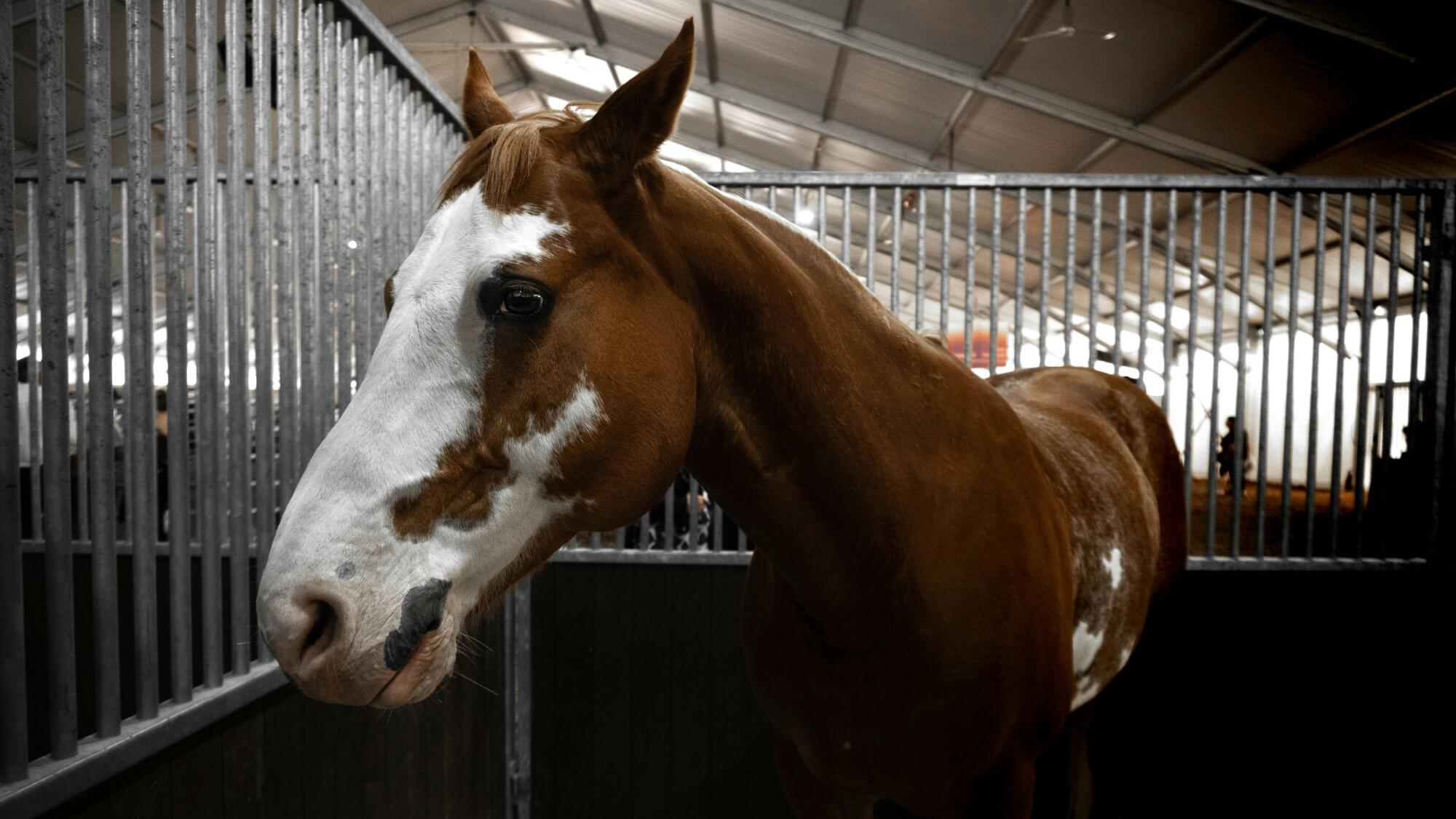
4 Times You Should Call Emergency Vet Services for Your Horse
If you notice any health issues with your horse, don't hesitate to contact a professional vet. Colic symptoms, injuries, respiratory problems, and foaling complications can all quickly become emergencies, and you should reach out as soon as you can. According to The...
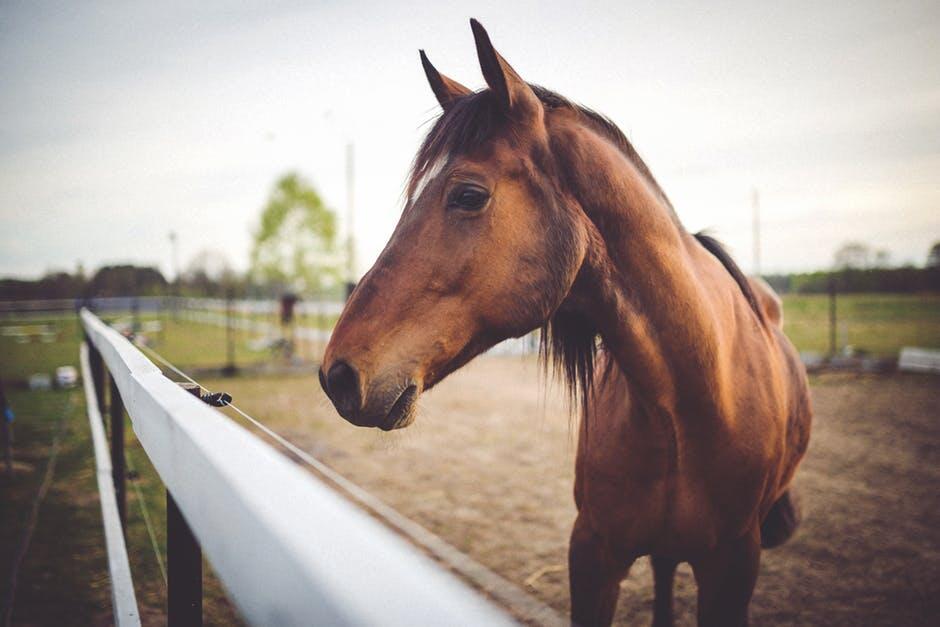
Guttural Pouch Mycosis: Causes, Diagnosis, and Solutions
Guttural pouch mycosis is a potentially devastating condition affecting horses. It requires immediate veterinary attention before it causes problems like dysphagia and even neurological damage. Horses are vulnerable to many different types of diseases, ranging from...
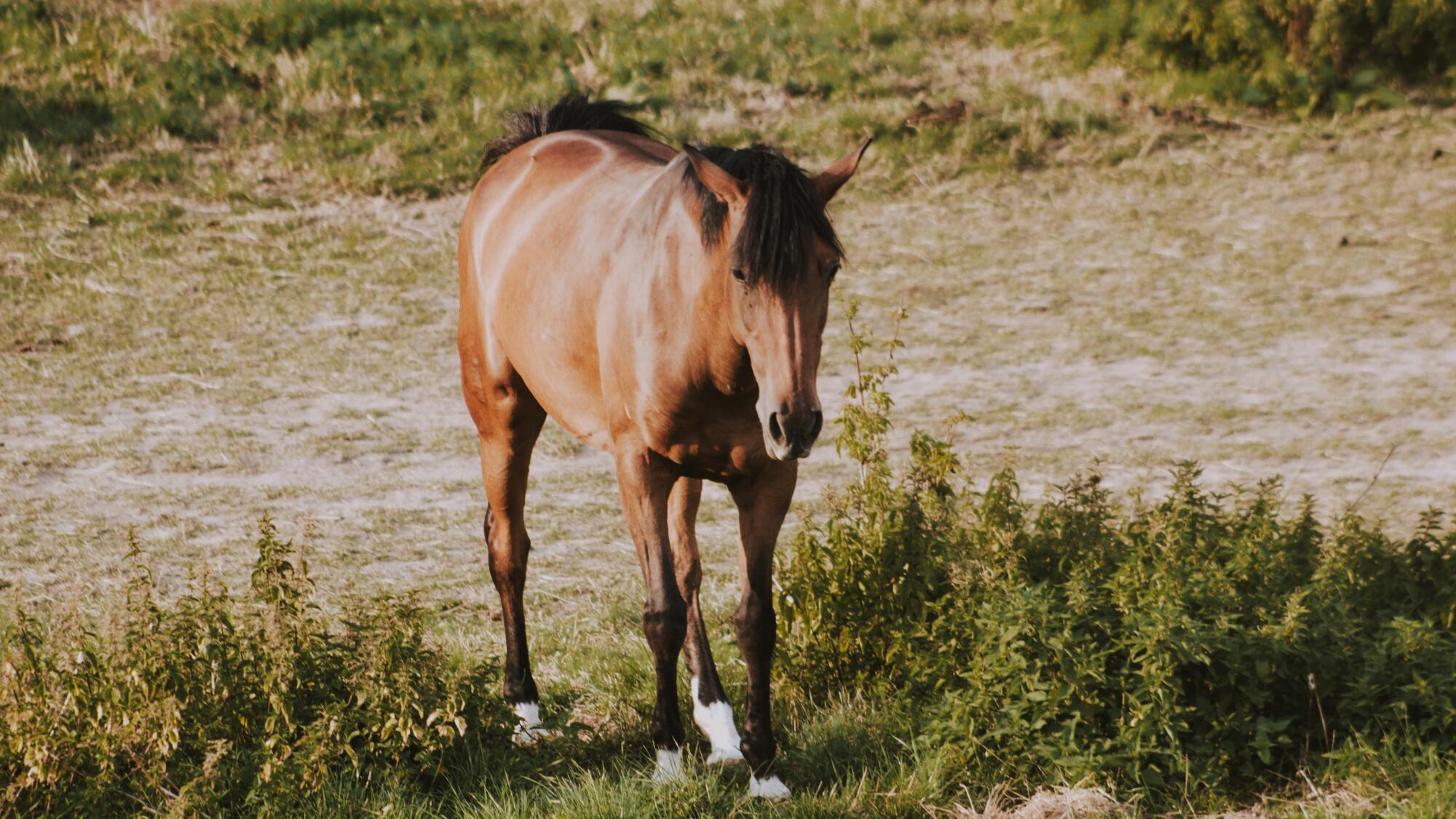
Understanding Hock Injuries in Horses: Causes and Care
Hock injuries in horses are a common cause of lameness. They range from minor sprains to severe joint damage, but proper prevention and care can help your horse recover. Experienced owners know that injuries are almost inevitable. A small cut from running into a fence...
What You Need to Know About Horse Chips
Horse chips are small, permanent identification devices implanted under a horse's skin to link that animal to a unique ID number and registry record. They help verify ownership, support recovery if a horse is lost or stolen, and meet identification requirements for...
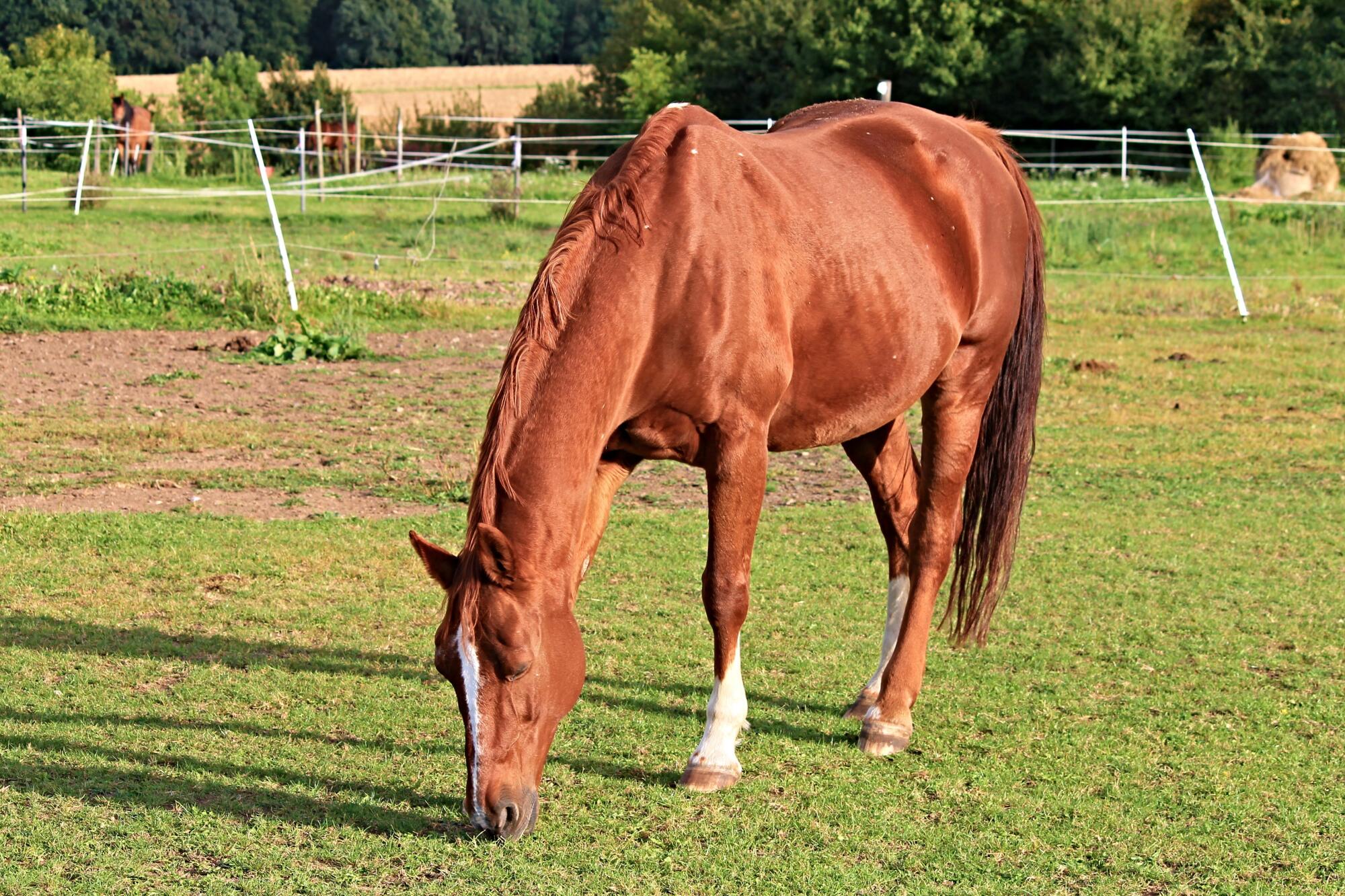
How to Care for a Horse with Worms
A preventive worming program is your best defense against equine parasites, but don't panic if your horse shows signs of a worm infestation. Your veterinarian can help you treat it effectively and quickly by conducting a fecal worm count and administering...
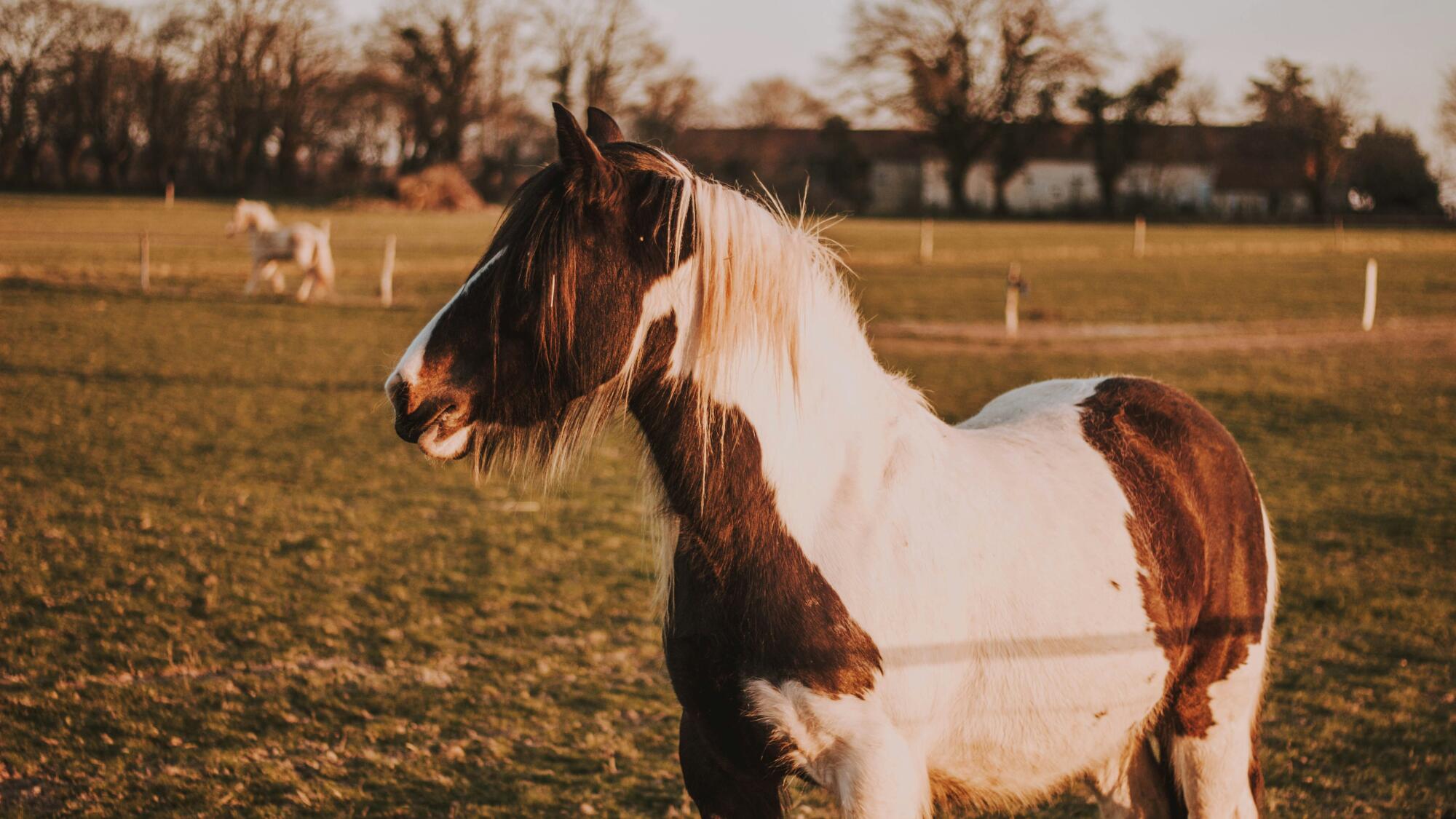
Equine Tetanus: Protect Your Horses with Expert Advice
Equine tetanus can become a serious health risk. Prevention, such as vaccines and other treatments, can go a long way. As a horse owner, you cherish your equine companions and strive to keep them safe and healthy. Keep in mind that tetanus is a potentially fatal...
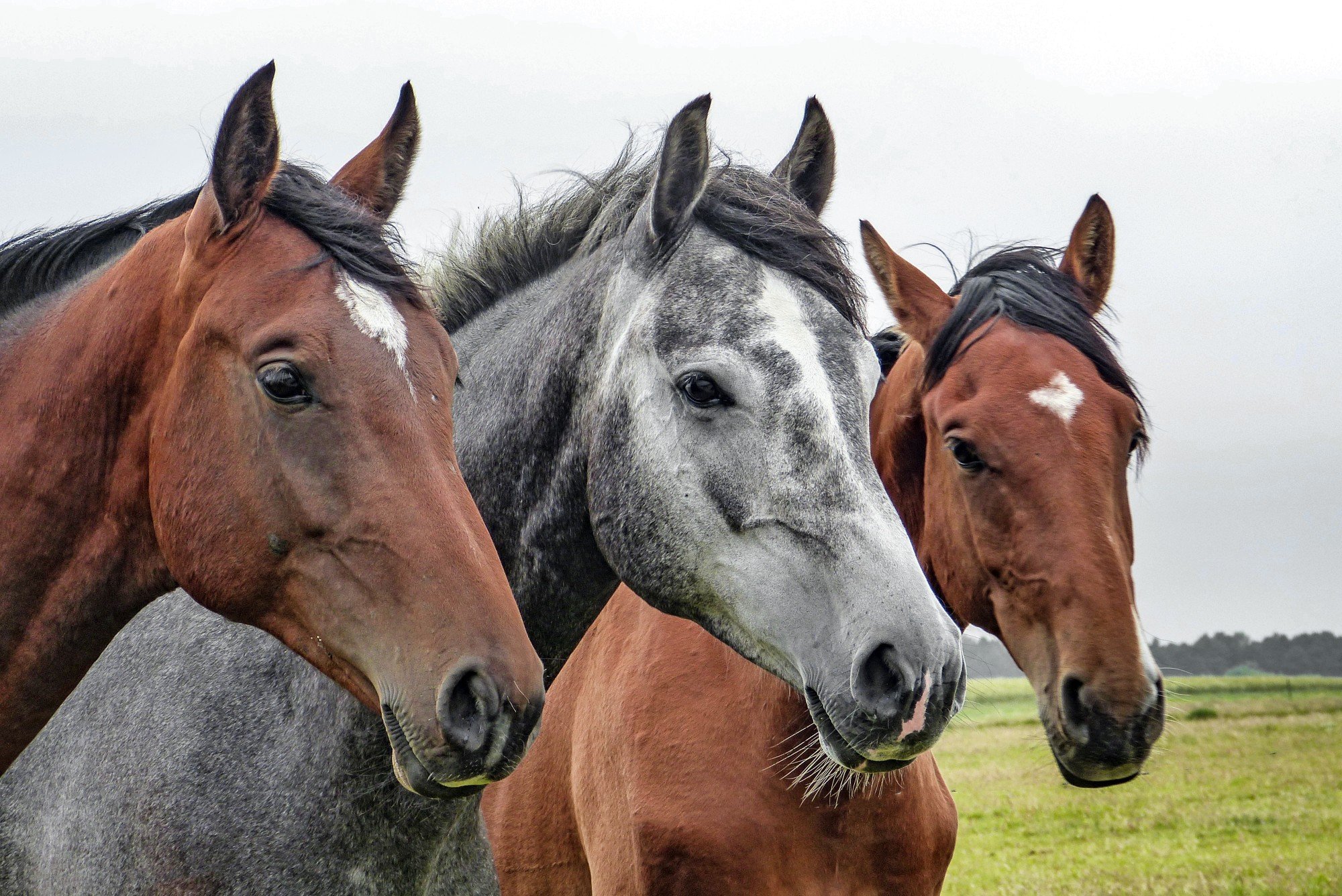
Horse Wolf Teeth: Should They Be Extracted? A Vet’s Advice
Horse wolf teeth are small, often painful teeth that can interfere with biting and chewing. Extraction is typically recommended if they cause discomfort or bit resistance. A veterinary exam helps determine whether removal is necessary for your horse's long-term...
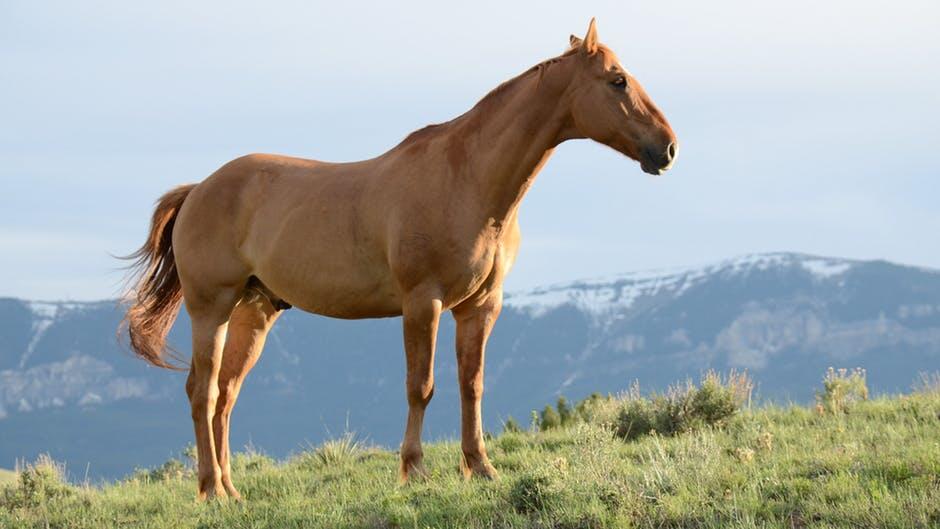
Horse Lameness: Diagnosis, Treatment, and Prevention Tips
Understanding horse lameness is crucial to maintaining the happiness and health of your horse. As an educated horse owner, you can recognize the symptoms and promptly treat lameness to avoid further issues. Every horse owner knows that a healthy horse is a happy...

Monday - Friday: 8:30am - 5pm
Saturday - Sunday: EMERGENCY ONLY
Monday - Friday: 8:30 am – 5:00 pm
Saturday - Sunday: Closed