
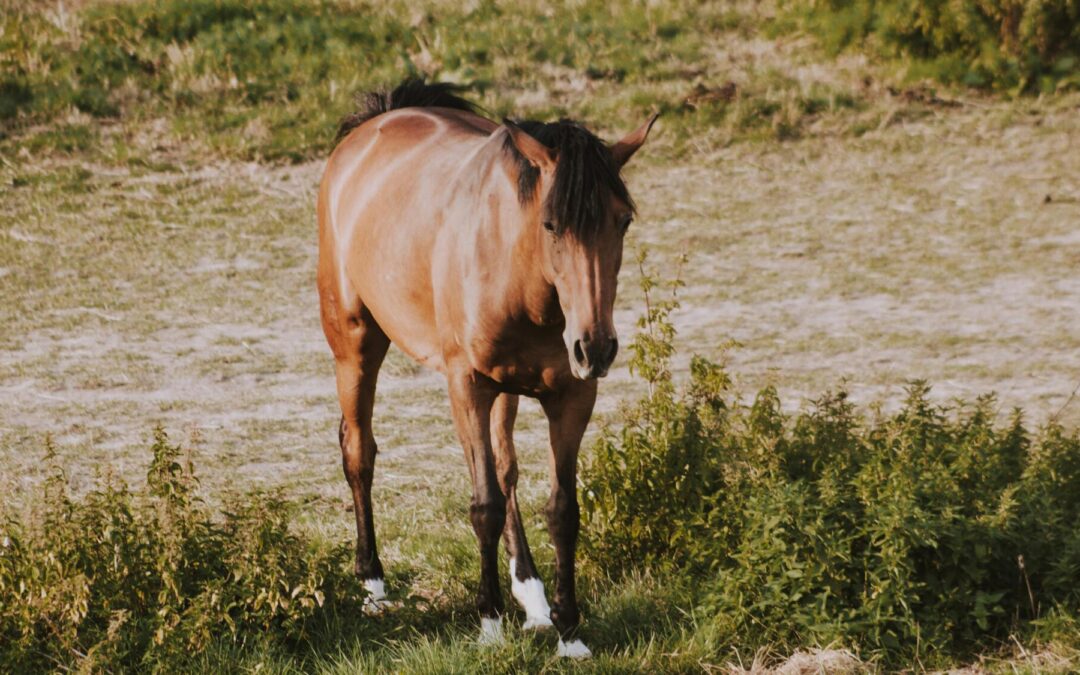
Hock injuries in horses are a common cause of lameness. They range from minor sprains to severe joint damage, but proper prevention and care can help your horse recover.
Experienced owners know that injuries are almost inevitable. A small cut from running into a fence can be patched up, but a hock injury requires expert care.
Understanding Hock Injuries
The hock sits at your horse’s back leg. It plays a vital role in mobility but is prone to injury.
Common causes of hock injuries in horses are:
- Overextertion
- Falls or collisions
- Improper hoof care
- Degenerative joint diseases
The injury ranges from minor sprains to severe fractures.
What Does Hock Lameless Look Like?
Horse lameness from a hock injury can involve more than difficulty walking. Other signs to look for include:
- Shortened hind-end gait
- Difficulty jumping
- Weight shifting when standing still
- Pain that reduces after warm-ups
- Heat or swelling
- Soreness when picking up the hind legs
There are also other signs of hock injuries to look for. Your horse may get stiff, especially after resting. They may also be less willing to work.
How Can You Tell the Difference Between Hock and Stifle Pain In Horses?
Hock and stifle pain are two equine leg injuries that originate close to one another. The two points at the bottom of the leg are painful for hock problems. The upper three are involved in stifle issues.
Flexion and extension of the joints can help distinguish them. Focus on where the horse first shows signs of pain. If you can’t tell the difference, get a vet in to help identify the source of your horse’s symptoms.
Diagnosis and Treatment Options
Diagnosing hock injuries starts with a full physical examination. That may include X-rays or ultrasounds to assess the extent of the injury.
Treatment options for injury care and horse lameness management depend on the extent of the injury. Cold therapy reduces swelling. Medications reduce pain and inflammation. Physical therapy can help horses regain strength and mobility.
In more severe cases, surgery may be necessary, especially if there are fractures or severe joint damage.
Preventing Horse Injuries
Preventing horse injuries requires a full regimen of care.
Work your horse on flat, even surfaces. Do a full warm-up before any rigorous activity.
Equine rehabilitation tips go beyond work. You should also feed them a joint-supporting diet.
Get regular vet visits to spot issues before they become serious and require surgery.
Can a Horse Recover from a Hock Injury?
Proper horse joint care can lead to a full recovery. Certain injuries do have a worse outlook than others, though.
Hock injuries in the front of the leg usually affect the extension tendons and digital extensors. If only one tendon is affected, the recovery outlook is positive. If both are injured, it can affect their gait. You may no longer have a racehorse or barrel jumper, but they can often still be bred or do slower work.
Find a Vet to Treat Hock Injuries in Horses Today
Hock injuries in horses can be serious. Prevention and early identification are essential for recovery.
High County Vet Services is a large animal veterinary practice founded in 2013. We offer everything from dentistry to lameness evaluations. We’re also willing to come to you with mobile examinations.
Contact us to schedule an appointment today.
Recent Comments