
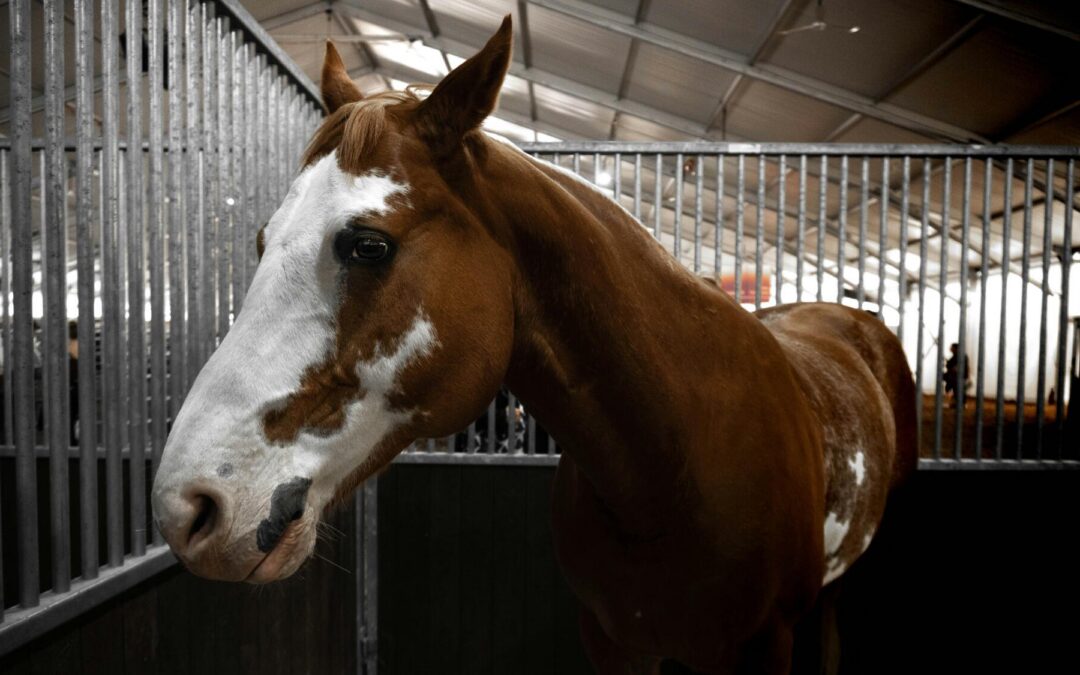
If you notice any health issues with your horse, don’t hesitate to contact a professional vet. Colic symptoms, injuries, respiratory problems, and foaling complications can all quickly become emergencies, and you should reach out as soon as you can.
According to The American Horse Council’s (AHC) 2023 Equine Economic Impact Survey, only about 1.23% of Americans own horses. While this may not feel like a big number, any of those owners could find that their horse is experiencing a health emergency one day, and this can be a very scary situation.
Owning a horse can be one of the most fulfilling experiences in life, but health concerns can be a serious challenge. Recognizing when to call emergency vet services is crucial for your horse’s safety and overall well-being.
So, when should you take this urgent step? Here are four key situations that warrant urgent equine care.
1. Severe Colic Symptoms
Colic is one of the most common emergencies requiring immediate vet attention. Symptoms can range from mild to severe and may include:
- Rolling and thrashing
- Excessive sweating
- Restlessness
- Refusal to eat or drink
- Looking at the flank
If your horse exhibits these symptoms, it’s not just discomfort; it could be a sign of life-threatening conditions requiring veterinary intervention. Seek out equine emergency help as soon as possible.
2. Injuries From Accidents
Accidents can happen at any time. Whether your horse sustains a cut from barbed wire or a more severe injury while riding, it’s essential to act quickly. Immediate attention can prevent infections and further complications.
Look for signs such as:
- Deep cuts or gashes
- Broken limbs
- Severe swelling
- Excessive bleeding
Often, these injuries may require sutures or even surgical interventions. After all, keeping your horse healthy means addressing injuries head-on!
3. Respiratory Distress
Respiratory problems can escalate quickly in horses. If your horse shows signs such as labored breathing, coughing, or excessive nasal discharge, you should call for an emergency vet. These symptoms may indicate conditions like:
- Severe allergies
- Infection or pneumonia
- Airway obstructions
Ensuring that respiratory issues are evaluated quickly can prevent more serious complications further down the line.
4. Foaling Complications
Expecting a foal can be both exciting and nerve-wracking. Complications during foaling can arise, such as:
- Prolonged labor
- Abnormal presentation of the foal
- Signs of distress in the mare or foal
If you notice any of these indications, do not hesitate to contact an emergency vet. These situations can turn critical in mere moments, and having veterinary services for your horses is vital.
Contacting Emergency Vet Services
Understanding when to call emergency vet services is vital for any horse owner. By remaining vigilant and knowing the signs of potential health crises, you can ensure your horse receives the immediate attention it may need.
At High Country Vet, we specialize in equine care and are ready to assist you at any time. With over 12 years of experience, our team in Steamboat Springs, CO, has the expertise to handle all of your horse’s health needs. Don’t wait until it’s too late!
Take a look at our services page to find out more about how we can help.
Recent Comments