
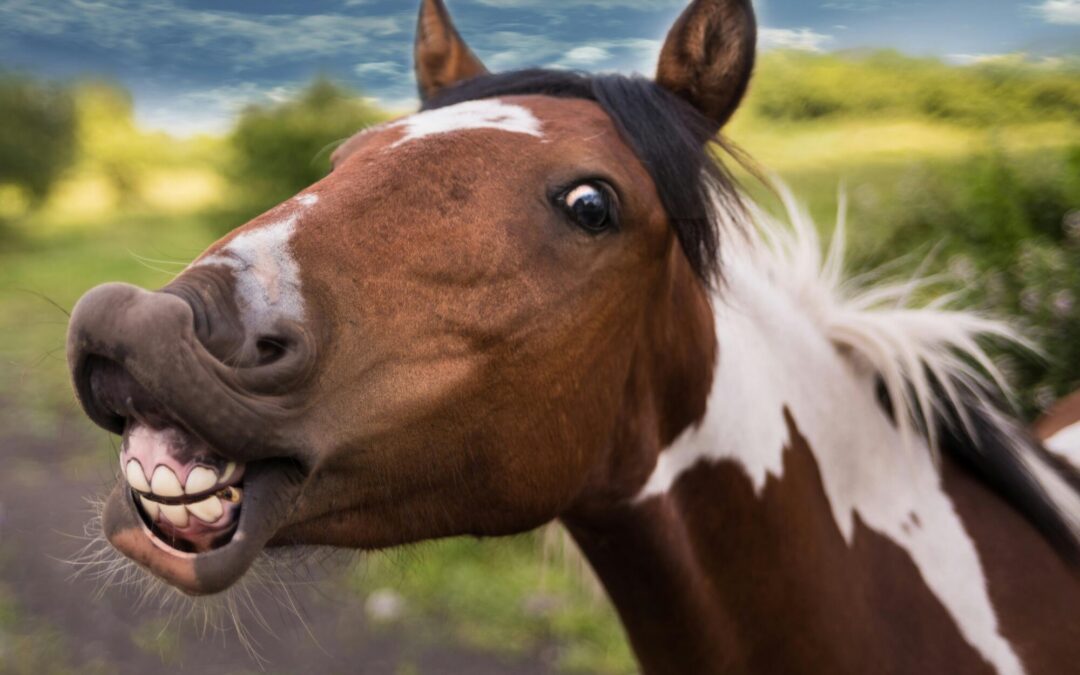
Good horse dental care is essential for your horse’s comfort, health, and performance. Horses use their teeth every day to chew forage and grain, and even minor dental problems can make eating difficult.
Dental issues may also affect weight, behavior, and how a horse responds under saddle. Because many problems develop gradually, they can go unnoticed until they become more serious.
At High Country Veterinary Services, we provide comprehensive equine dental services for horses throughout Colorado’s Yampa Valley and beyond. Our team has advanced training in equine dentistry and is committed to helping horses enjoy long, healthy lives.
1. Schedule Regular Dental Exams
Routine dental exams are one of the best ways to protect your horse’s health. Horse teeth continuously change over time, and normal wear does not always occur evenly. Sharp points and other abnormalities can develop and create discomfort.
Annual dental evaluations allow a veterinarian to identify and address issues before they become more serious. Younger horses, senior horses, and performance horses may sometimes benefit from more frequent evaluations based on their needs.
2. Watch for Signs of Dental Trouble
Many horses are good at hiding discomfort, which makes it important for owners to watch for subtle signs of dental problems. Changes in eating habits are often among the first indicators that something may be wrong.
A horse with dental issues may drop feed, chew slowly, lose weight, or show resistance to the bit. Some horses may also develop bad breath, excessive salivation, or difficulty maintaining body condition.
Recognizing these signs early can help prevent minor concerns from becoming larger problems. Prompt attention and regular care support strong equine dental health throughout a horse’s life.
3. Understand Why Floating Matters
Floating is a common dental procedure that helps smooth sharp enamel points and correct uneven wear patterns. As horses chew, their teeth can develop rough edges that irritate the cheeks and tongue.
Without treatment, these sharp points can make chewing uncomfortable and may affect how efficiently a horse processes food. Floating helps create a more balanced chewing surface and improves comfort.
One of the most valuable horse dentistry tips is understanding that floating is an important part of preventative care. Regular treatment can support better oral function and reduce discomfort over time.
4. Support Dental Health at Home
Equine oral care is essential, but horse owners also play an important role between veterinary visits. Daily observation can help identify changes that may indicate a developing problem.
Watching your horse eat, monitoring weight, and noting changes in attitude or performance can provide useful information. Quality forage and routine wellness care can also contribute to oral health.
Successfully maintaining horse teeth requires a partnership between owners and veterinary professionals. Consistent attention at home and routine dental evaluations can help keep horses healthy and comfortable.
Schedule Your Horse Dental Care Appointment
Consistent horse dental care helps horses eat properly, maintain healthy body condition, and perform at their best. Regular exams and preventative treatment can reduce the risk of common dental issues while improving comfort and quality of life.
At High Country Veterinary Services, our experienced team has provided comprehensive equine dental services tailored to each horse’s needs since 2013. Contact us to schedule an appointment and learn how we can support your horse’s dental care needs.
Recent Comments